The Rise of Lovin: A Comprehensive Guide to Using Clean, Casual Display Fonts in Modern Design
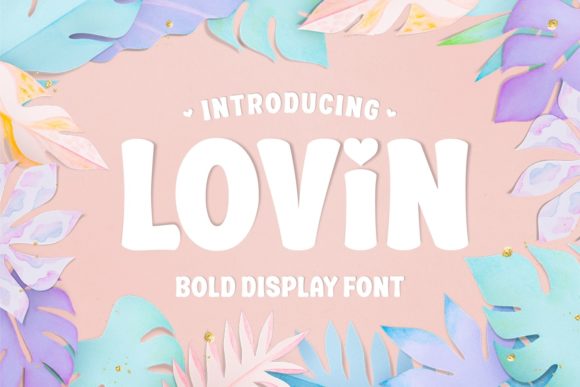
In the ever-evolving landscape of digital and physical design, typography plays a pivotal role in setting the tone, conveying emotion, and ensuring readability. Among the myriad of typefaces available to designers, creators, and hobbyists, Lovin has emerged as a distinctive choice for those seeking a balance between approachability and professional polish. As a clean and casual display font, Lovin offers inviting round edges that soften the visual impact of text, making it an ideal candidate for projects that require warmth without sacrificing clarity.
This article explores the multifaceted applications of Lovin, examining its structural characteristics, compatibility with modern cutting technologies, and strategic use cases across various industries. Whether you are a seasoned graphic designer, an educator creating classroom materials, or a small business owner looking to enhance your brand identity, understanding the nuances of this versatile typeface can significantly elevate your creative output.
Understanding the Typography of Lovin
To appreciate the utility of Lovin, one must first understand its typographic anatomy. Unlike rigid geometric sans-serifs or ornate script fonts, Lovin occupies a unique middle ground. It is classified as a display font, meaning it is designed to be used at larger sizes where individual letterforms can be appreciated. However, unlike many display fonts that prioritize novelty over function, Lovin maintains a high degree of legibility.
The defining characteristic of Lovin is its set of inviting round edges. These rounded terminals and softened corners reduce the visual harshness often associated with blocky sans-serif fonts. This softness creates an immediate sense of friendliness and accessibility. For brands aiming to appear trustworthy, nurturing, or playful, this subtle curvature is not merely aesthetic; it is psychological. It signals to the viewer that the content is approachable and safe.
Furthermore, the "clean" aspect of Lovin ensures that it does not become visually cluttered even when used in dense layouts. The spacing (kerning and tracking) is generally generous, allowing the eye to move smoothly across lines of text. This makes it suitable not just for headlines, but also for subheadings and body copy in contexts where a traditional serif or strict sans-serif might feel too formal or cold.
Why Choose Lovin for Your Next Project?
Selecting the right font is a strategic decision that impacts user experience and brand perception. Here are several key advantages of incorporating Lovin into your design workflow:
- Enhanced Readability: The round edges prevent the eye from getting stuck on sharp angles, leading to faster reading speeds and reduced cognitive load for the audience.
- Versatile Tone: Lovin strikes a delicate balance between casual and professional. It is relaxed enough for social media graphics but structured enough for business presentations or educational handouts.
- Visual Harmony: Because of its neutral yet warm character, Lovin pairs exceptionally well with a wide range of other typefaces. It works harmoniously with both serif fonts for contrast and other sans-serifs for monochromatic schemes.
- Brand Humanization: In an era where consumers crave authentic human connections, using a font like Lovin helps humanize digital interfaces and printed materials, fostering a stronger emotional connection with the audience.
Compatibility with Cutting Machines: Expanding Creative Possibilities
One of the most significant practical advantages of Lovin is its compatibility with popular cutting machines such as Cricut and Silhouette. For hobbyists, crafters, and small business owners who produce physical products, this compatibility is crucial. These machines rely on vector-based designs to cut vinyl, cardstock, fabric, and other materials with precision.
When designing for these machines, the integrity of the font's paths is paramount. Lovin’s clean lines and consistent stroke widths translate beautifully into cut files. The round edges do not create unnecessary complexity in the vector paths, which reduces the risk of tearing or misalignment during the cutting process. This technical reliability means that whether you are creating custom t-shirts, personalized wedding invitations, or store signage, the final product will match the digital preview accurately.
Moreover, the simplicity of Lovin’s design allows for easy customization within software compatible with these machines. Users can easily adjust the size, add effects, or combine Lovin with other elements without worrying about the font breaking apart or losing its shape. This ease of use lowers the barrier to entry for beginners while still offering enough control for experienced crafters.
Practical Applications Across Industries
The versatility of Lovin allows it to be deployed effectively across a broad spectrum of sectors. Below are specific examples of how different professionals can leverage this typeface to achieve their goals.
For Educators and Researchers
Educational materials benefit greatly from fonts that reduce anxiety and encourage engagement. Textbooks, worksheets, and presentation slides created with Lovin can make complex information feel more digestible. For instance, a teacher creating a classroom poster about scientific methods might choose Lovin for the main headings to draw attention, knowing that the friendly appearance will keep students interested. Similarly, researchers presenting data at conferences can use Lovin for slide titles to ensure that the message is clear and the atmosphere remains collaborative rather than overly academic.
For Small Business Owners and Entrepreneurs
Brand identity is built on consistency and recognition. A local bakery, a boutique clothing store, or a freelance consultant can use Lovin to create a cohesive look across all touchpoints. Imagine a coffee shop menu where the item names are set in Lovin; the round edges evoke the comfort of a warm cup of coffee. For a freelancer, using Lovin in email signatures and proposal documents can project an image of being organized yet personable, helping to build rapport with potential clients.
For Content Creators and Social Media Managers
In the fast-paced world of social media, grabbing attention quickly is essential. Lovin’s display qualities make it perfect for quote graphics, announcements, and event flyers. Its casual nature aligns well with the informal tone of platforms like Instagram and Pinterest. Creators can use Lovin to highlight key takeaways in carousel posts or to label sections in instructional videos. The font’s ability to stand out without shouting makes it a powerful tool for maintaining audience retention.
For Hobbyists and Crafters
As mentioned earlier, the compatibility with Cricut and Silhouette opens up endless possibilities for DIY projects. Hobbyists can create personalized gifts, home decor items, and party decorations using Lovin. The font’s adaptability allows for creative experiments, such as combining it with handwritten-style fonts for added texture or using it in conjunction with geometric shapes for a modern look. Whether crafting a birthday banner or labeling storage bins, Lovin provides a polished finish that looks professionally designed.
Best Practices for Implementing Lovin
To maximize the effectiveness of Lovin, it is important to follow certain design principles. While the font is versatile, misuse can lead to diminished impact.
- Maintain Hierarchy: Use Lovin primarily for headlines, subheads, and short bursts of text. While it can handle moderate amounts of body text, pairing it with a highly legible serif or sans-serif for long-form reading can improve overall readability.
- Consider Contrast: To make Lovin pop, ensure there is sufficient contrast between the text color and the background. Light gray text on a white background may lose the subtlety of the round edges, whereas dark charcoal on cream or pastel backgrounds can enhance the inviting nature of the font.
- Respect Whitespace: Display fonts thrive in environments with ample breathing room. Avoid cramming Lovin text into tight spaces. Allowing extra padding around the letters will emphasize its clean and casual aesthetic.
- Test Print Quality: If using Lovin for physical cuts via Cricut or Silhouette, always run a test print or cut on scrap material first. This ensures that the scale and spacing work well with the specific material you are using, preventing issues with adhesion or visibility.
The Future of Casual Typography
The trend towards "casual professionalism" shows no signs of slowing down. As remote work and digital communication continue to reshape our interactions, there is a growing demand for visual languages that feel personal and human. Fonts like Lovin are at the forefront of this movement, bridging the gap between corporate structure and creative expression.
Looking ahead, we can expect to see increased integration of such fonts in user interface (UI) design, where reducing stress and improving user satisfaction are key metrics. Additionally, as sustainable and handmade aesthetics remain popular in marketing, the compatibility of Lovin with physical crafting tools ensures its relevance in the tangible world of design.
Conclusion
Lovin represents more than just a collection of glyphs; it is a tool for effective communication. By combining clean lines with inviting round edges, it offers a unique solution for designers and creators who want to convey warmth and clarity simultaneously. Its seamless compatibility with cutting machines like Cricut and Silhouette further expands its utility, making it accessible to a wide range of users, from digital marketers to weekend crafters.
Whether you are redesigning your brand’s visual identity, creating engaging educational content, or crafting personalized gifts, Lovin provides the flexibility and charm needed to make your next project a success. By understanding its strengths and applying best practices, you can harness the full potential of this dynamic typeface to connect with your audience on a deeper level.